
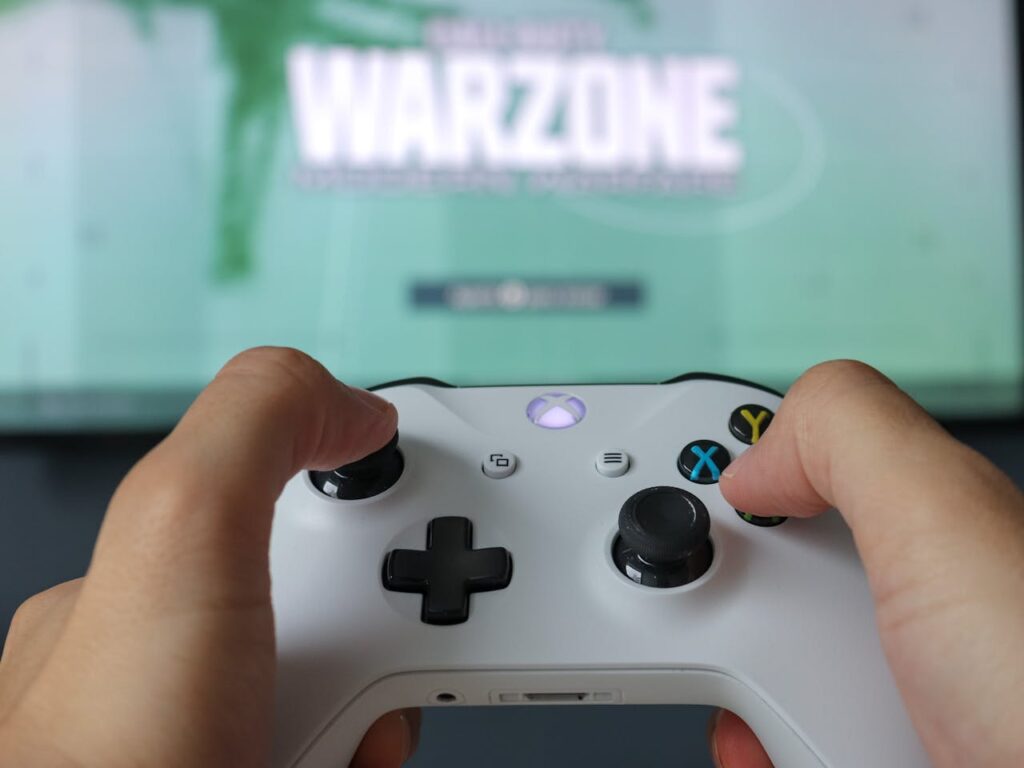
Picture this: You log in just to collect today’s bonus, and suddenly, you’re finishing one more quest. That’s the subtle power of reward systems in maintaining engagement.
Video games use reward structures to give players a sense of progression. These incentives shape hours of enjoyment and can create loyalty, even beyond new releases or trend shifts.
If you’ve wondered what keeps players coming back, this article explores proven strategies and concrete ways reward systems create sustained, meaningful play. Let’s dive in for practical insights you can spot immediately.
Structuring Progress Milestones With Daily and Weekly Rewards
Players stick around longer when they can chase specific milestones. Reward systems use daily and weekly rewards to build routines that feel satisfying and productive.
For example, claiming a unique item every login or finishing a week-long quest keeps gameplay lively. When objectives change regularly, a routine develops and feels personally tailored.
Designing Varied Timers for Motivating Short-Term and Long-Term Action
Short deadlines, like daily challenges, prompt players to act quickly. Longer ones, such as monthly rewards, spark planning. This intentional mix strengthens the engagement loop.
Game studios might use a timer saying, “Come back in three days for a special event!” Players who plan their week around these deadlines build anticipation and develop habits.
This strategy leaves players checking progress and considering “just one more session.” Tangible rewards—cosmetics, currency, or features—keep attention anchored and routines intact.
Tiers and Laddered Achievements for a Sense of Mastery
Reward systems often feature ladders—each rung more difficult than the last. Each achievement tier means progress measured in clear, concrete terms: bronze, silver, gold, and so on.
Players chasing these tiers report satisfaction when they level up: “I’m almost at silver. One more challenge!” Behavioral economists tie these micro-achievements to stronger, longer retention rates.
Introducing visuals—badges or new colors—signals advancement. When improvement is visible, time spent feels rewarding, not wasted.
| Milestone Type | Frequency | Typical Reward | What to Track Next |
|---|---|---|---|
| Daily Login | Every day | Small currency, items | Set a daily reminder |
| Weekly Quest | Weekly | Unique equipment | Check quest rotation Sundays |
| Achievement Ladder | Ongoing | Badges, status icons | Plan next badge goal |
| Monthly Event | Monthly | Limited cosmetics | Mark event end date |
| Surprise Drop | Random | Rare loot | Participate in all available events |
Delivering Sensory Satisfaction With Immediate and Delayed Rewards
Reward systems shape emotions through both instant gratification and suspenseful anticipation. Games that deliver sensory payoffs right at victory stick around in players’ memories longer.
Sound effects, confetti, and color bursts when claiming a reward tap into positive feedback loops, turning a simple click into a dopamine hit that players look forward to.
Balancing Reward Timing for Consistency
Immediate rewards satisfy short-term impulses. A win triggers coins dropping, lights flashing, and cheerful triumph sounds, reinforcing good feelings about playing a little longer.
Delayed rewards—like a crate that opens in three hours—build suspense and prompt check-ins. “If I log back in at six tonight, there’s a new pack waiting.”
- Trigger positive emotion with immediate rewards, so players feel achievement after each session. Combine visuals and sound for stronger impact. Repeat each time a small win occurs.
- Increase player retention with delayed rewards, spacing out large prizes to motivate regular logins. Use notifications sparingly, so anticipation grows without feeling intrusive.
- Let players choose between instant or delayed rewards when possible. Some want excitement now, others value the big moment later. Provide both tracks to broaden engagement.
- Match reward presentation to milestone size. Small goals get quick effects. Major goals deserve unique, memorable celebrations—a fireworks animation or personalized shoutout.
- Evaluate feedback loops monthly by tracking reward claim rates and session length. Adjust timing to maintain interest without causing fatigue or impatience.
Sensory reinforcements work when they’re fresh and surprising, so update graphics, sounds, or themes to suit new seasons or major updates. Players associate novelty with progress.
Encouraging Attentive Play With Small Surprises
Adding rare mini-rewards keeps attention sharp. For example, a treasure chest appears during regular play, or a double-points boost pops up unexpectedly.
When a player says, “Was that an extra reward for finding the secret path?” That small surprise defines the session, making it more memorable than a routine task.
- Award hidden bonuses for non-standard achievements, like alternative routes. This breaks routine and encourages exploration, so each play session becomes an opportunity for discovery.
- Change surprise locations each week. Players receive clues to hunt them down, making return visits feel like new adventures.
- Use visual or audio cues before surprises appear. A glowing path or subtle music shift signals a chance for extra rewards.
- Notify active players right away, but don’t alert everyone—reserve surprises for engaged participants to increase the sense of exclusivity.
- Collect feedback on mini-rewards through quick polls, refining their rarity and placement to keep anticipation high and strategies evolving.
Surprises encourage replay and make regular sessions feel valuable, even when goals stay familiar. The unexpected keeps reward systems lively and sticky.
Supporting Collaboration and Competition Through Shared Rewards
Group mechanics drive retention because players coordinate, communicate, and celebrate progress together. Reward systems that offer team incentives bond communities and motivate shared success.
Joint milestones—like guild achievements—turn play into a social event. “Let’s finish the raid for that legendary banner,” one person suggests, sparking an hour-long collaboration.
Alternating Cooperative and Versus Incentives
Some reward systems mix teamwork and rivalry. When a group effort unlocks an exclusive reward, players return to help each other out. Friendly competition can then emerge for leaderboard spots.
These cycles lead to stronger social ties. Players develop rituals: “See you Tuesday night for the boss fight,” fostering routines beyond the screen.
Switching between group challenges and individual rankings keeps engagement fresh, offering both collaborative satisfaction and a sense of personal achievement.
Building Trust and Impact With Shared Unlocks
Visible team unlocks, such as unique cosmetics or upgraded abilities, celebrate joint wins. When all see, “We did this together,” it deepens loyalty and increases repeat participation.
Teams remember victories longer when each member gains a reward. “That cloak is from our first clear,” players say, displaying achievements with pride.
Prompt teams to plan their next goal. Clear incentives make group scheduling and re-engagement much smoother, especially when rewards renew on a set cycle.
Reflecting Player Choice With Multiple Reward Paths
Differentiated reward systems embrace player autonomy, offering various paths. This feeds curiosity and caters to unique playstyles. When a choice feels personal, replay value and satisfaction rise quickly.
Visual menus or mission trees display alternate routes. A player might say, “I’ll work on the explorer badge this month,” while another targets combat rewards. Each path offers distinct prizes and experiences.
Encouraging Customization With Flexible Objectives
Reward systems can present lists of possible tasks, letting players decide: “Today, I’ll tackle puzzles” or “I’ll gather rare resources.” Making these selections builds investment in the outcome.
Players may adjust strategy based on upcoming events or their schedule. Flexible objectives also help avoid fatigue—when tired of one playstyle, a fresh path restores motivation.
Rotating reward paths maintain momentum, particularly when bonus opportunities emerge. Custom avatars, access to new regions, or powerful tools could each be the prize for following a unique branch.
Reinforcing Identity Through Reward Customization
Customizable avatars or collectibles reflect time and effort. When a player earns a particular skin or emote, it signals their achievements to friends and strangers alike.
Adapting rewards to individual tastes strengthens attachment. “That’s my mount from finishing all story missions”—this kind of pride makes rewards deeply personal and memorable.
Developers incentivize expression, encouraging players to share their creations. Community galleries or in-game profiles deepen engagement and create friendly competition over rare or stylish unlocks.
Maintaining Engagement With Seasonal Content and Rotating Goals
Seasonal updates inject urgency and variety. When players know a reward disappears soon, they’re more likely to prioritize play. Reward systems align content drops with real-world calendars for routine refreshes.
Countdowns and sneak previews—”Limited-time winter quest next week!”—foster anticipation and encourage advance planning for milestone completion.
Strategically Timing Events for Habit Formation
Aligning content launches with weekends or holidays taps into natural free time. Scheduled rewards provide motivation to log in when players are likeliest to participate and invite friends.
Advance notices via email or in-game alerts give players time to plan. “I’ll log in on Friday for the double XP event,” one might decide, supporting consistent engagement.
Including a mix of solo and group goals ensures everyone can participate, regardless of schedule. Rotating objectives make each month feel new and worth revisiting.
Sustaining Value With Renewed Challenges
Each seasonal cycle, introduce tweaks—such as bonus modifiers or temporary mechanics—to keep gameplay and rewards feeling novel. This prevents burnout and keeps the meta evolving.
Players say, “I missed last year’s event, but this one has new styles to earn,” signaling renewed interest and increasing long-term investment in reward systems.
Post-event surveys gather feedback, letting developers tune future rotations. This responsive loop aligns player wishes with new content, enhancing satisfaction and retention over time.
Tracking Progress and Celebrating Milestones Publicly
Public progress tracking, such as accomplishment feeds or leaderboards, motivates return play. Reward systems spotlight individual and team milestones, using visibility to inspire focused effort and bragging rights.
When a player says, “You’re at the top of this month’s board!” that recognition validates time spent and encourages friendly rivalry among friends and the wider community.
Promoting Friendly Competition Via Real-Time Updates
Leaderboards displaying updated scores prompt players to check rankings, challenge rivals, and replay levels to move up. This real-time feedback loop turns simple progression into a dynamic goal.
Spectators observe top performers, learning advanced strategies and aiming to imitate their success. “Watch how they solved that puzzle for the max score,” becomes common chatter among newcomers.
Real-time unlock notifications create community buzz. “Congrats to Ana for reaching gold!” Celebrations can motivate others to try harder and make the pursuit of rewards visible and social.
Highlighting Milestone Rewards With Public Displays
Exclusive profile badges or titles let players broadcast big wins. “I earned this from last season’s final boss” is a conversation starter and encourages others to try for similar prizes.
Games might feature communal hubs where avatars display rare items. This visible status rewards effort and drives more players to participate in upcoming events.
Leaderboard resets with new prizes each cycle ensure achievements remain desirable and worth revisiting, strengthening the loop between recognition and effort.
Applying Reward System Lessons to Enhance Personal Play Sessions
You can spot and leverage reward systems by framing your session goals around visible progress and periodic milestones. This translates to more enjoyable, intentional time spent gaming.
Pay attention to routine rewards, shifting content, and group activities. Use them to schedule play that aligns with personal energy or social plans, maximizing each session’s potential enjoyment.
Checking for Engagement-Boosting Features Before Starting a New Game
Glance at available milestone ladders, daily logins, and featured seasonal rewards. Plan your first session to unlock an immediate prize and set longer-term goals at the same time.
If the game offers achievement tracking or group play incentives, make a quick checklist—“Try today’s challenge, join a club, set a milestone reminder.” This habit ensures quicker reward unlocks.
Review which paths or objectives best fit your mood that day. This flexibility keeps gaming fun even when your routine shifts, helping reward systems sustain satisfaction and discovery.
Staying Curious and Open to Experimentation
If you lose enthusiasm, try rotating paths, joining seasonal events, or collaborating with new groups. These steps renew motivation and introduce fresh reward experiences as your interests evolve.
Adopt a playful mindset: treat each login as a chance to discover a new reward, story, or strategy. Share wins with friends to multiply the enjoyment and encourage mutual progress.
Adapt your goals each month. Whether chasing personal bests or helping teammates, let visible progress and flexible reward systems keep your gaming time vibrant, engaging, and consistently rewarding.
Synthesizing Strategic Reward System Elements for Ongoing Enjoyment
Smart reward systems use daily milestones, social interaction, and customized progression to build steady, satisfying gameplay. Each layer adds fresh motivation, keeping sessions relevant.
Sustained participation depends on clear incentives and concrete markers—from visual achievements to sensory celebrations. Consistently refreshed goals expand each player’s journey and investment.
Next time you play, pay attention to the routines and rituals reward systems spark. Use these insights to turn everyday gaming into a cycle of meaningful progression, discovery, and fun.