
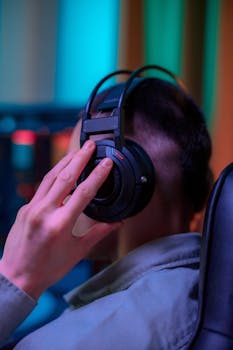
Picture yourself exploring a shadowy forest in your favorite video game. The subtle rustle of leaves and faint owl hoots fill the air, drawing you deeper into the world. Those meticulously crafted audio cues aren’t accidental—they come from expert sound design.
In gaming, sound design shapes not just mood but player behavior and response. From footstep echoes in tight corridors to triumphant victory themes, it guides players moment-by-moment, adding dimension and realism.
If you want to discover the practical ways sound design transforms gaming, this article unpacks how carefully selected and implemented audio details can elevate your experience and sharpen your play.
Establishing a Sense of Place with Layered Audio
Layered sound design gives you an authentic sense of location and movement. You’ll notice the difference as you recognize distant waterfalls or approaching footsteps by their direction and reverb.
Rich, purposeful layering impacts navigation. Crisp ambient noises react to your actions, making the game world responsive. Try pausing in place—the shift in environmental sounds signals your position is truly part of the scene.
Spatial Positioning: Identifying Sounds via Direction
When audio pans from left to right, your ears map positions with precision. Directional sound tells you where to look or aim next, sharpening your reactions.
Games use spatial audio to immerse players. In a stealth game, picking out creaking floorboards behind you lets you counter a threat without needing visual cues.
The more accurately the sound design reflects in-game geometry, the faster players make tactical decisions. Realistic sound cues shape game awareness in subtle but powerful ways.
Environmental Reverb: Reading Your Space
Different settings, like stone halls or open fields, require unique sound design. You’ll catch longer, echoing footsteps in large caverns and soft, muted ones in packed forests.
This mirroring of natural sound propagation transports players. When you enter a noisy tavern, overlapping conversations add realism, while a whisper in a quiet cave creates anticipation.
Incorporating authentic environmental acoustics, designers help players distinguish safe from dangerous zones. After a few rooms, you’ll instinctively move based on what your ears report.
| Environment | Characteristic Sound | Player Reaction | Sound Design Takeaway |
|---|---|---|---|
| Open Field | Wind gusts, distant animals | Relaxed, vigilant for threats | Layer natural loops to boost immersion |
| Cavern | Deep echoes, water drips | Slow movements, increased tension | Add reverb, space out audio cues |
| Urban Street | Car horns, bustling crowds | Heightened scanning, quick reactions | Dense, overlapping soundscapes mimic chaos |
| Haunted House | Creaks, chilling whispers | Careful listening, anticipation | Sudden contrasts, silence create suspense |
| Battlefield | Explosions, scattered shouts | Snap decisions, directional awareness | Distinct layers help players orient quickly |
Boosting Player Awareness through Situational Cues
Purposefully designed audio cues keep you alert. They help you avoid traps, anticipate conflict, and react to surprises without ever breaking immersion.
When footsteps approach or alarms blare, your behavior shifts. Sound design teaches you to rely less on visuals and more on what you hear under pressure.
Timely Alerts: Sound Prompts That Sharpen Reflexes
A short chime signals a power-up. A growing hum might mean a bomb is about to explode. Immediate, recognizable sounds nudge players into action.
- Recognize item pickups instantly with sharp tones that stand out. This prevents you from missing upgrades when scanning crowded screens.
- React to impending danger by listening for escalating tones or abrupt musical shifts. These signals motivate you to dodge, defend, or escape faster.
- Learn enemy positions as designers place unique footstep sounds. Crouch behind cover and match sound types to enemy classes for strategic planning.
- Follow timers or mission goals set by beeps, bells, or countdowns. Consistent cues encourage timely completion of objectives, reducing confusion and stress.
- Stay vigilant during stealth segments by tuning into subtle changes. Quieter background music or amplified breathing points out risky behavior or enemies nearby.
Implementing intentional alerts lets you play smarter and more confidently, using each audio signal to your advantage in real time.
Ambient Sound Signals: Navigating with Your Ears
Designers add soft environmental changes to indicate shifts in safety. You’ll hear birds when safe turns to subtle drones as threats close in.
- Notice wildlife disappearing from soundscapes, which cues danger arrival. This tells you to ready defenses or move with caution before visuals confirm it.
- Detect hidden objects by tracking faint, repeating twinkles. These encourage exploration, rewarding attentive players who investigate every corner.
- Identify shifting weather cues, like approaching rain or thunder, to adapt your play. Weather audio supports immersion, but also lets you anticipate hazardous terrain.
- Decipher ally or foe proximity with sound overlap and volume differences. Louder rival battle chants tell you a skirmish is closer than you first thought.
- Adjust tactics when background music softens or swells, often signaling critical narrative turns. Emotional cues through music prime you for what’s next in the story arc.
Ambient sound signals encourage you to use your senses and surroundings, deepening situational awareness every time you plug in your headphones.
Supporting Emotional Impact through Musical Themes
Character themes and event music create lasting memories. Intentional sound design shapes how every victory, setback, or discovery feels in your experience.
Assigning Themes to Characters and Events
Each main character might have a recurring musical motif. As their story develops, so does the theme—becoming fuller or more complex to reflect their growth.
Critical events—like boss battles or cutscenes—get unique soundtracks. These musical cues raise stakes, prompting players to pay attention and connect emotionally.
Players reflect real-life conversations, saying, “That song always reminds me of that boss fight,” because sound design encodes emotional moments with lasting melody.
Mood Regulation: Adapting Scores to Encounter Types
Soundtracks shift to match gameplay intensity. Tranquil tunes frame exploration, while rapid percussion underscores frantic action. This subtle shift builds pace and mood naturally as scenes change.
Designers adjust keys, tempo, and instrumentation to maintain flow. Melancholy strings can ease tension after difficult moments, while energetic beats mark success.
You’re guided by audio cues to stay calm, focus, or brace for conflict, reinforcing every in-game decision through deliberate sound design strategies.
Fostering Immersion by Syncing Audio with Player Actions
Every in-game action needs an audible result. When you jump, a grunt or rustle adds realism. Synchronized sound design heightens your sense of control and involvement.
Designers program responsive cues for interactions. Swinging a sword, picking a lock, or reloading a weapon each trigger unique audio, instructing you to act at the right moment.
Analog Actions: Translating Real Movements to Digital Feedback
If you slam a door, the resulting crash rings out with appropriate force. Subtle clicks signal light touches, mimicking how real objects react to energy and movement.
Matching sounds to player animation helps bridge virtual and physical worlds. Sound design delivers a feedback loop: act and listen, then adjust based on the outcome.
Copy a best practice: Whenever learning a new mechanic, pause and replay the associated audio until you can recognize action cues without visuals.
Timing and Rhythm: Reinforcing Repeated Interactions
Crafting, reloading, and platforming involve rhythmic repetition. Designers use metronome-like audio cues to reinforce timing, allowing players to sync their actions for the best results.
Each successful or failed attempt produces a distinct chime, clunk, or buzz. Immediate feedback through sound design speeds up skill acquisition and mastery.
Apply this technique in rhythm games or quick-time events—focus on tempo changes and let audio timing guide moment-to-moment choices for higher scores.
Encouraging Exploration with Dynamic Audio Discoveries
Hidden areas and collectibles often emit unique sounds. Designers use sonic breadcrumbs, drawing curious players with faint jingles, whispers, or musical stingers.
This sound design approach rewards attentive listening. You find secrets, solve puzzles, and discover shortcuts just by following your ears—sometimes before you even see a clue.
Sonic Breadcrumbs: Directing Attention to Secrets
Light, twinkling sounds near secret doors subtly catch your ear. Players linger and investigate, their curiosity rewarded by new paths or treasure.
Fading music that swells as you approach tells you a hidden story beat is nearby. This method guides exploration and boosts your investment in the game world.
Apply this: When stumped, listen closely and navigate toward the most unusual or persistent background sound for new discoveries.
Progressive Layering: Unveiling Audio Depths as You Advance
Games add new layers of music and effects as you unlock skills or enter undiscovered zones. Audio evolves, mirroring your progression through the environment.
This dynamic layering ensures even backtracking feels fresh. Returning to previous locations introduces new sound design elements tied to quests, population changes, or weather.
Replay a favorite game and compare first-visit sounds to late-stage audio. You’ll notice how every journey, familiar or novel, feels customized through sound design.
Bridging Accessibility Gaps with Customizable Sound
Flexible sound design features level the playing field. Customizable cues let players adjust frequencies, volumes, or alert types to match hearing preferences or needs.
Games provide visual-audio pairing—like subtitles or on-screen indicators—for those who benefit from extra support. Adjusting sound settings makes games approachable without sacrificing challenge or enjoyment.
Personalized Audio Settings: Adapting Game Soundscapes
Options menus let players change balance, toggle narration, or increase directional marker volume. This creates comfort for long sessions and helps focus on relevant cues.
If music overwhelms dialogue, lower background tracks and boost speech. Designers make these sliders intuitive, so every player tailors sound design to personal enjoyment and accessibility needs.
Vibration and Haptic Feedback: Expanding Accessibility Beyond Audio
Games sometimes convert critical audio cues into controller rumble. Vibrations reinforce urgent actions or health states when players mute sounds or remove headphones.
Combined audio and tactile feedback create redundancy, ensuring no player misses essential gameplay moments. This sound design evolution broadens access and keeps everyone invested.
Safeguarding Player Focus by Balancing Silence and Sound
Strategic use of silence enhances tension and rewards attentive listening. Effective sound design balances quiet moments with impactful cues, directing your attention without overwhelming your senses.
When background music pauses, players naturally lean in, anticipating pivotal events or important guidance—the abrupt calm acting as a signal in itself.
Sound Dampening: Prioritizing Essential Audio During Climax
Intense battles or emotional scenes require focused audio. Designers dim ambient noise, isolating key cues such as boss growls or a friend’s last words for dramatic impact.
Practice this: When dialogue quiets abruptly, prepare for a story revelation or sudden gameplay challenge. The absence of sound becomes your guide just as much as its presence.
Copying this awareness creates focused play and deeper investment in narrative turns.
Rest Periods: Using Silence for Player Recovery
Silent pauses after action sequences let players process events. Games mimic real-world relief, lowering stress and highlighting what comes next.
This rhythm of action and calm paces player engagement, allowing moments for strategic planning or emotional reflection before the next big push.
Notice how your own tension drops alongside the background hush, confirming the power of considered sound design in supporting healthy gameplay.
Conclusion: Embracing Sound Design for Richer, Smarter Play
Across every genre, sound design transforms gaming from passive watching to active engagement. Each well-crafted cue, from footsteps to anthems, bridges immersion and practical success.
Players who pay attention to the soundscape make sharper moves, discover secrets faster, and recall memorable moments long after play ends. Sound design elevates feedback, focus, and accessibility for everyone.
Tune in next time you play. For every jump, puzzle, or pause, sound design leads the way—offering tools to sharpen strategy and amplify your unique gaming story.