
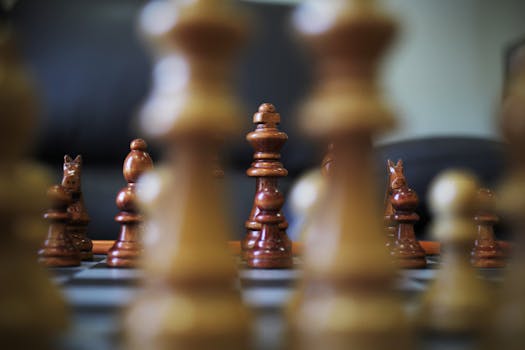
Every game night, some players seem to anticipate every move, leaving opponents surprised. Something more than quick reflexes sets them apart. The real difference lies in strategic thinking, which transforms good players into consistent winners across various competitive games.
Strategic thinking matters because it helps players read the game while it evolves, confidently making choices under pressure. It’s not exclusive to grandmasters or professionals but is a skill anyone can develop through intentional practice, observation, and honest reflection.
This article unpacks easy-to-use strategic thinking techniques for competitive games. You’ll discover actionable tips, practical checklists, and real-world scenarios that help you refocus your next play, whether you’re new or experienced.
Applying turn-by-turn analysis improves mid-game decisions instantly
Players who review decisions after each turn adapt faster and prevent repeat mistakes. Strategic thinking makes this routine easier and more rewarding by guiding attention to critical changes.
It feels like pausing to check a map on a hike—each stop reveals new terrain and helps you chart a better route. Routine check-ins reduce surprises.
Spotting pivotal moves with targeted questions
After your turn, take ten seconds to ask: “What’s the biggest threat now?” Strategic thinking focuses on urgent threats instead of scattering your attention or panicking.
A player might look at cards, then say, “The next round, they can block my attack, so I’ll save my boost card for defense.” This proactive guesswork pays off later.
Your pose can help: pen poised, shoulders back, eyes on the board. When you radiate focus, rivals assume you’re always planning, adding subtle pressure.
Running fast two-step plan checks keeps momentum
Before you make a move, whisper a two-step plan: “Move here, then reinforce on the next turn.” This keeps your focus sharp—a key part of strategic thinking.
It should sound like, “Place knight left, then build wall right.” Repeat this every turn, even if your plan changes. Patterns emerge and future options expand.
Momentum grows because you’re never drifting—your actions always connect. Players around you start reacting to your plans rather than controlling the pace themselves.
| Stage | Action | Key Skill Developed | Takeaway |
|---|---|---|---|
| Early Game | Scout opponent moves | Anticipation | Start tracking patterns before they matter |
| Mid Game | Update action priorities | Adaptation | Modify plans as threats arise |
| Critical Turn | Dial into one decision | Narrow focus | Reduce overwhelm by picking the most urgent choice |
| Post Turn | Reflect on turn result | Error analysis | Notice why the outcome matched or diverged from your plan |
| End Game | Calculate point swings | Risk assessment | Choose low-variance paths for a stable win |
Pattern recognition strengthens your preemptive plays and counters
By spotting recurring strategies, you predict actions, block traps, and create openings. Strategic thinking means making decisions based on the story history tells across your matches.
Your next step is to look for signature moves—not just single plays, but combos or sequences that show up in big moments for experienced players.
Linking patterns to real scenarios builds muscle memory
Instead of counting cards randomly, say, “Every time they stack two soldiers, they’re prepping an edge attack.” Now you can block before the move starts.
This thinking style helps you act decisively, with visible confidence—hands steady, voice firm. Other players sense your readiness and respond more cautiously.
- Track opponents’ repeated setups: Write down actions that follow each other each round to see the engine of their strategy. Use this to anticipate timing and power turns.
- Name the best counter: When you see a favored pattern, label and rehearse your response. Example: “When cards go low, hold your high card for next turn.”
- Map out endgame triggers: Recognize the setup signals leading to a win-clinching combo so you shut the window early, or leap in first if possible.
- Group mistakes by type: Mark your errors—greed, impatience, forgetfulness. Each has a unique pattern. Strategic thinking kicks in as you avoid repeating the same type of mistake.
- Record timing shifts: Watch when competitors change pace; bursts of speed or sudden delays suggest intentional pattern breaks. Adjust your own rhythm to stay unpredictable.
Keep records nearby, like on a notepad. These notes become your personal cheat sheet, fueling even more reliable strategic thinking over time.
Spotting cross-game similarities expands your toolkit
If you play chess and trading card games, watch for patterns that bridge both, such as attacking weak flanks or waiting out resources.
An example statement: “This trap in Monopoly is just like the double fork in chess.” Practice this pairing to anchor moves across platforms, boosting your transfer skills.
- Share discoveries outside game sessions: Explaining your pattern to someone else makes it stick. Say: “Whenever three cards get replaced, the big play is next.”
- Test in low-pressure games: Practice new pattern responses in online casual matches and note which feel natural. Change plans for games with similar flow but different rules.
- Rotate patterns every few sessions: If you’re stuck, force yourself to try a new pattern—win or lose—for exposure and learning. Record what works and what needs adjustment.
- Reverse-engineer success: After a victory, trace back your pattern use step by step. Say: “I noticed the double threat set up two turns prior and blocked it.”
- Ask mentors for feedback: Bring your notes to a veteran and invite corrections. Collaborative review strengthens both memory and confidence around strategic thinking patterns.
All these efforts funnel into a core ability: acting before events happen, not just reacting to opponents. That edge delivers real, measurable wins.
Knowing resource tradeoffs leads to smarter investments every game
Making efficient use of limited resources marks a pivotal difference between beginners and skilled players. Strategic thinking keeps your trading, placement, and timing calibrated for maximum effect.
Effective allocation means reviewing what you spend—time, actions, cards, or pieces—compared to what you gain. This way, you avoid overcommitting out of habit or panic.
Managing resources with a split-focus system
Consider using a dual approach: keep one eye on tactical gains (each turn) and one on strategic returns (the long game). Write down both to keep clarity.
Say, “Next move, spend my strongest attack, but don’t run out of defenders after.” This guides both immediate advantage and holds resources for late-game threats.
With practice, you’ll adjust on the fly, switching gears without second-guessing. Strategic thinking feels smoother and more natural each time you switch your focus.
Timing micro-decisions for top results
Instead of hoarding all resources, spend at the critical moment. For example, “Use the power-up now, before they gain control of the board.”
Watch for cues: when other players hesitate or change posture—leaning in, slowing speech—they may have weak resources. That’s your cue to press your advantage or hold steady.
A simple checklist: assess resources each turn, decide if saving pays off, and act when the board’s momentum swings your way. This ensures every move supports your strategy.
Long-game positioning locks in late-stage advantages
Early decisions set the framework for winning finishes. Strategic thinking means working backwards from an end goal to inform initial placement and role assignments.
The more you plot future outcomes upfront, the less you depend on luck or last-minute scrambles. Good position beats good luck nearly every time.
Setting anchor points that anchor future options
Choose a stable position that opens branching choices. For instance, in connect-four, control the center column before expanding outward.
Verbal cues help: say, “This move keeps my lines open for both defense and offense.” Each anchor locks a pathway, limiting rival options in the process.
Monitor the board or table after anchoring. If an unexpected attack appears, you can pivot rather than being trapped, maintaining flexibility while sticking to your general plan.
Simulating win paths for clarity under pressure
Pretend you’re narrating a game recap after each power play: “If I land this, then the only threat is the upper right.” This prevents tunnel vision and keeps you scanning for outs.
Adjust postures—sit straight, face forward—to keep energy up for extra-long sessions. Body language cues focus, making you less susceptible to distraction.
Strategic thinking here resembles chess endgames, where missing one exit can end the match. Think two steps ahead so you’re ready for pivots and counters.
Adaptive responses neutralize unpredictable presses and tactics
Some games get wild, with opponents shifting gears fast. Strategic thinking arms you with flexible scripts and backup plans so you’re rarely caught flat-footed at turning points.
Your best defense is adaptation: reading each fresh development and responding without losing balance or direction, no matter what comes next.
Switching strategies mid-game with cue words
Pick a phrase to snap into a new mode, like “time to defend” or “switch to resource building.” This signals a shift both mentally and for tablemates to see.
Physically shift a game piece or recenter your notepad to reinforce the mental game change. These cues help keep emotions steady and thinking sharp under surprise pressure.
Write down which cues work and use the most effective in future matches. Refined through experience, this forms your own flexible toolkit for strategic thinking.
Predicting surprise tactics with scenario mapping
After each unexpected attack, run a mental snapshot: what did the opponent see that you missed? Write out, “If I face this setup again, here’s what I’ll do.”
Keep a playbook of common ambushes or wild cards. This becomes your reference on tough nights, keeping you grounded and solutions-ready when the pace heats up.
Go back to your playbook after every shocking defeat. If you lost to a surprise tactic, add it to your scenario bank. This way, strategic thinking evolves match by match.
Leveraging mental resets for consistent, confident gameplay
Quick mental resets between rounds and after setbacks can transform mindset, recover from mistakes, and keep focus sharp for the next challenge.
Clear routines break up frustration and keep emotions from influencing the next move, a foundational practice of successful strategic thinking.
Breathing techniques for clarity during tight spots
Take three slow inhales before big decisions. This short pause buys you time for calm, rational thought rather than a knee-jerk reaction or panic move.
In practice, you might uncross your arms, stand up, or recenter your focus. Resetting posture acts like hitting the refresh button on your strategy brain.
When you notice nerves creeping in, say to yourself, “This is just a turn,” to shrink difficulty down to manageable steps.
Setting intent statements ahead of new rounds
Declare a simple goal out loud: “This round, prioritize board control.” Speaking it preps the mind and signals to your tablemates the seriousness of your approach.
As you build this routine, confidence increases, and your strategic thinking process becomes a positive habit, not just an emergency measure.
Make this explicit every session until it feels second nature—then revisit whenever your focus lags or results plateau to rekindle intensity.
Conclusion: Sharpening your edge with strategic thinking in every match
Learning turn-based analysis, resource tradeoffs, pattern recognition, and adaptive responses transforms your approach to competitive games. Strategic thinking ties each skill together.
Whether building winning positions or bouncing back fast, these habits offer specific, repeatable pathways to improved results. Players build confidence, while games become less chaotic and more enjoyable.
Adopting strategic thinking is a sustainable choice for every player seeking a reliable edge. Step in, test these skills, and watch your competitive game strengthen match by match.