
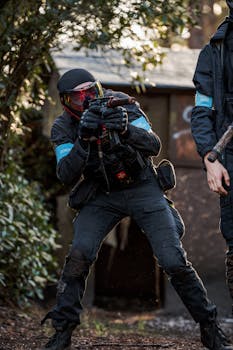
Dodging, weaving, and outmaneuvering opponents fuels some of the most thrilling moments in action gaming. As matches intensify, knowing which path to cross or when to shift direction transforms pressure into opportunity. Moving with intention—using strategic movement, not just scrambling—makes every step count.
Excelling at action games means much more than sharp shooting or quick reflexes. By focusing on strategic movement, players shift from reacting passively to actively shaping every encounter. Good movement translates instantly to better position, more control, and higher survival rates, letting gamers claim the upper hand in any scenario.
This guide offers a collection of actionable movement techniques, relatable scenarios, and clear checklists you can use in every game session. Dive in to discover how movement goes beyond running and dodging—it’s a skill set that can win rounds and define your gameplay.
Shaping Combat Outcomes with Predictive Movement
Predictive movement, the heart of strategic movement, allows you to control the flow of engagements before bullets ever fly. By reading patterns, you become unpredictable and harder to counter.
Picture an arena shooter: you notice an opponent consistently peeks from the same corner each round. Instead of waiting there, anticipate—move to intercept their expected exit point.
Micro-Adjusting Your Trajectory for Advantage
In heated firefights, small trajectory tweaks can break an enemy’s aim or force them to readjust. A quick side-step disrupts their rhythm, handing you a split-second opening.
Try sidestepping left, pausing for a beat, then lunging right. The hesitation baits a shot, and your sudden shift exploits the missed timing—classic strategic movement at work.
Imagine a player mumbling, “He keeps missing the shot when I stutter-step.” Use this physical cue to plan your next duel, adding micro-feints to your routine for an edge.
Reading Enemy Paths to Control the Encounter
Notice a rival always sprints along certain routes? Place yourself to intercept or set traps, rather than chasing. Pattern recognition supports more strategic movement choices.
When you hear footsteps from a known blind spot, adjust your approach: circle behind them instead of head-on. This simple shift flips control in your favor mid-match.
Internally, tell yourself, “I know where they’ll go—I’ll wait one step ahead.” Taking space proactively lets you shape engagement zones and catch opponents before they react.
| Movement Technique | Use Case | Countermove | Action Tip |
|---|---|---|---|
| Strafing | Dodging fire in open areas | Pre-aim to anticipate | Combine with jump for extra unpredictability |
| Bunny Hopping | Quick map traversal | Set traps at likely landing spots | Keep jumps rhythmic but unsynchronized |
| Peeking | Corner-based encounters | Use bait shots to flush them out | Alternate left-right peeks to confuse aimers |
| Slide Cancel | Maintaining speed after slides | Force turns, block exits | Time cancel just before speed loss |
| Drop Shot | Melee or close-quarters | Maintain vertical aim | Practice prone key for instant response |
Implementing Lane Control and Route Selection
Lane control and smart route choices can mean the difference between winning duels and walking into ambushes. Deliberate pathing amplifies the effectiveness of strategic movement.
Instead of always taking the shortest path, weigh risk versus speed and visibility. Don’t let predictable movements give away your intentions or create vulnerability.
Risk Assessment for Safer Rotations
Before moving between cover or zones, consider which route has the least line-of-sight to enemy positions. Use shadows, debris, or elevation to minimize exposure.
- Pick high-ground only when you can cover the descent; otherwise, lateral routes prevent easy targeting.
- Check minimaps routinely for common chokepoints, making detours when public routes heat up.
- If you must cross open ground, zigzag or use burst movement to slice exposure time.
- Verbalize your movement: “I’m rotating wide to avoid the mid-lane snipers.” This keeps you mindful of positioning.
- Commit to one path without wavering—hesitation in the open blows your cover and slows progress.
By mapping these decisions, you’re not just running—you’re practicing strategic movement with every step.
Using Audio and Environmental Cues for Stealthy Routes
Shift walk near hard surfaces to muffle your presence. Listen for distant gunfire or footsteps, and sync your transition with other sounds to stay undetected.
- Tiptoe past hollow floors and metallic objects; these amplify noise and reveal your approach.
- Pause behind generators or machinery, masking your own steps as another player moves nearby.
- Capitalize on weather—rain or wind hides footfalls, letting you reposition unseen.
- Ghost a corner when enemies reload, using their distraction to steal ground.
- Echo-locate with quick weapon swaps to gauge if someone’s listening for you in the next room.
These habits integrate seamlessly into your strategic movement toolkit, offering control over not just paths, but how quietly you move through hot zones.
Pre-Encounter Positioning Changes Everything
Securing strong positions before combat shifts momentum fast. You dictate where battles happen using advanced strategic movement, not just brute force.
Let’s break down how entering fights already in control delivers safer, smarter engagement after engagement.
Reading the Flow for Early Power Spots
Pay attention to where action usually erupts and pre-position yourself. Stand guard near drop points or bottlenecks, arriving ten seconds early for a tactical edge.
Tell teammates, “I’ll anchor the tower—they’ll come through here.” Simple foresight makes flanking or unexpected attacks possible, rather than follow-the-leader chasing.
Think of it like grabbing the best seat at a concert before the crowd arrives: your view is clear, options open. In games, this is preemptive strategic movement in action.
Using Decoys and Path Diversions to Distract Opponents
Set a distraction—a loud fake sprint, a tossed decoy, or running in an obvious direction for a second. This draws attention off your actual path.
While opponents follow the sound, double back or crouch-walk to an off-angle. Strategic movement means making others commit to the wrong place at the crucial moment.
After a decoy draw, message your squad, “I’m wrapping around; chase the sound but peek the other flank.” It’s a skillful use of expectation against real-time opponents.
Actively Disrupting Opponent Rhythm in Close Quarters
Disruption breaks enemy rhythm—and their aim. Quick, off-pattern moves make you a tough target and seize initiative in every encounter using controlled strategic movement.
Swapping Tempos Mid-Fight
Speed up, then suddenly pause. Or pause, then surge forward unexpectedly. Strategic movement relies on shifting between tempos unpredictably, burning timing windows in your favor.
Players commonly expect a steady pace. When you interrupt this, they’re forced to readjust mid-shot or mid-chase, making mistakes. Turn hesitation into forced errors each round.
By announcing, “Watch my tempo change—peek with me,” you teach squadmates to leverage these disruptions, multiplying your group’s survivability and results.
Controlling Angles to Limit Enemy Options
Pushing through only half an angle—just enough to spot but not fully expose—pressures rivals. They can’t pre-aim, and you control when and where to commit.
If you spot a barrel or elbow before the full player model, pause. This triggers hasty reactions and wasted ammo, tipping engagements in your favor through deliberate strategic movement.
Combine angle-slicing with small crouch-pops. A player sees movement, fires, but your actual approach comes from another direction a split-second later, always in control.
Building Map Mastery Through Routine Movement Exercises
Consistently practicing specific map moves creates reliable muscle memory. Strategic movement doesn’t happen by accident—it grows from routine drills and review.
Let’s look at deliberate exercises that sharpen movement instincts beyond unconscious button mashing, supporting consistent improvement every match.
Custom Route Drills for Unpredictability
Run personalized circuit paths on practice maps, mixing jumps, crouches, slides, and reversals. Track which routes get you seen and which keep you hidden for maximum impact.
Play back footage and note: “Every time I cross mid with a slide, I make it, but standing gets me picked.” Recording results turns movement into an actionable routine.
Over time, customizing these drills helps your strategic movement adapt naturally in new game updates or under meta shifts.
Reaction Timing with Friends or Bots
Ask a friend to play as a defender, then run sprints from various entry points. Their feedback—“I only saw your shadow”—signals success or tweaks needed.
If solo, set up bots or timed dummies around corners. Practice aggressive peeks and sudden retreats, evaluating which approaches leave you less exposed.
Jot quick cues: “No sound on the left leap, but slide gave me away.” Accumulating observations guides smarter strategic movement decisions next session.
Syncing Strategic Movement with Team Dynamics
Coordinated movement magnifies strategy. When team movement syncs, lone-wolf runners don’t break formation, and flanks become coordinated power plays.
Calling clear movement cues—“push left together at three”—builds trust. Shared positioning lets squads cover gaps, control map slices, and force advantageous trades uniformly.
- Assign entrance and exit points pre-round; this organizes split-pushes and keeps each angle covered.
- Use pinging tools to highlight real-time movement routes for fast visual agreement over voice call clutter.
- Designate a lead runner—this player sets speed and verifies safety before others move.
- Decide on fallback paths as a group, reducing panic when the plan goes wrong and supporting consistent escapes.
- Practice “bait-and-switch”—one teammate peeks, another swings. Rotate these roles to build mutual awareness and trust.
Applying Strategic Movement for Lasting Progress
Strategic movement powers up survival and offensive pressure. Each session, review your movement choices—did your path win space, or cost control? Adapt for progress next match.
Veterans script movements ahead of time: “If they flank left, I’ll cut low ramp and counter-push.” This turns each round into a learning loop—a core feature of true strategic movement discipline.
Bring intention to every step, drill new routes, and communicate with teammates. Over time, movement stops being habit and becomes your defining strength.