
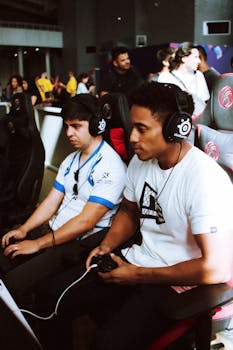
Every match brings dozens of shifting variables that can turn the tide in an instant. Recognizing these isn’t just luck; it’s a direct result of sharpened situational awareness and practiced skill.
Competitive players rely on more than reflex—understanding real-time circumstances is key to steady improvement and long-term success. Spotting cues around you shifts probability in your favor, game after game.
Delving into these situational awareness strategies can help you respond faster, anticipate threats, and keep your gameplay adaptive. Here’s your roadmap for building these skills with confidence and clarity.
Reading the Battlefield: Rules for Noticing Patterns That Matter
Spotting meaningful patterns transforms your ability to anticipate moves. Use situational awareness to notice emerging trends, such as enemy grouping or resource drops, and act decisively.
Start with scanning the play area every few seconds. Keep your focus shifting between key objectives, teammate positions, and potential flanking routes to keep your decision-making current.
Looking for Triggers: Enemy Body Language and Positioning
Watch for rivals shifting their movement speed or grouping together. A sudden pause can mean an ambush, while scattered movement signals distraction—adjust your positioning to counter.
Audible cues, such as weapon reloads or teammates calling for backup, are triggers. Your brain processes these subtly but consistently—consciously naming them improves your situational awareness each match.
Record yourself with a screen capture and review how often you catch these triggers. Focusing on body language in replays sharpens this observational skill quickly.
Environmental Cues: Recognizing Map Clues and Timers
Exits illuminated mid-match, alarms, or subtle map changes are environmental clues. Competitive games reward those who react instantly to these by rotating, retreating, or attacking.
Treat map cues like highway signs: hesitating means missing your exit. For every map you play, list five recurring signals—memorize their sequence to boost your situational awareness naturally.
Keep a notebook or app log. After each session, jot down which cues made a difference; this feedback loop solidifies your recognition speed for the next contest.
| Pattern Type | Game Example | Effect if Ignored | Action to Take |
|---|---|---|---|
| Enemy grouping | Opponents converging at mid | High chance of ambush | Alert teammates; reposition |
| Resource drop | Supplies appear on map edge | Opponent gets advantage | Secure drop or set trap |
| Sudden silence | No noise in usual hotspot | Flank likely in progress | Rotate or watch for push |
| Objective timer | Countdown for capture point | Missed opportunity | Move early; time entry |
| Environmental change | Lights dim, alarms trigger | Surprise event happens | Prepare defense or advantage |
Communicating for Clarity: Action Steps to Streamline Team Updates
Accurate team communication boosts situational awareness. Specific wording streamlines reactions, cuts confusion, and sets up coordinated plays.
Use short, clear callouts like “enemy two left ramp” or “rotate top, 20 seconds left.” Information needs to be timely, actionable, and repeated for maximum effect.
Streamline Your Speech for Peak Performance
Say exactly what you see and want. Replace vague warnings with clear instructions: “Hold angle, one pushing mid; backup rotate.” It’s the backbone of swift decision-making.
Repeat crucial details. If the enemy approaches a flank, restate it: “One flanking left, left!” Consistent language ensures that your message sticks even in chaos.
- Call targets by name, not color: Specify “Warehouse roof” instead of “There!” for improved situational awareness and speedier responses.
- Include a verb: Action phrases like “cover window” force clarity and faster compliance during split-second decisions.
- Declare timers: Let teammates know when objectives or threats arrive by saying, “15 seconds on refresh,” so everyone acts together.
- Ask for acknowledgment: “Ping if you heard” confirms your message isn’t lost, sharpening collective awareness without needing eye contact.
- Use confirmation loops: After relaying a key position, echo a teammate’s call to confirm you received the information—no risk of double-moves.
Practicing with these steps reinforces team unity and makes situational awareness a shared asset—mistakes and surprises become less frequent.
Status Sharing: When, What, and How
Announce status changes as they occur: “I’m healing,” “I’m low, backing out.” This transparency lets teammates adapt plans instantly in response to shifting resources or health.
Tangible status tracks, like “ULT ready,” prompt coordinated moves rather than late reactions. Sharing specifics ensures resources—like healing or utilities—are distributed to areas of greatest impact.
- Share your cooldowns: “Shield in 30” preps your squad for defensive moves and avoids wasted ability stacking.
- Flag healing zones: “Health up at red crate” points teammates directly to replenishment, maintaining front-line pressure without extra chatter.
- Point out weakness: Announce “enemy sniper reloading,” signaling a quick power play window for aggressive teams.
- Praise good calls: “Nice spot on the flank!” Rewards feedback and encourages everyone to remain attentive to situational awareness needs.
- Simplify when tense: Trade detailed plans for “push now, left” under threat—brevity beats confusion when pressure spikes and every second counts.
These confirmations and updates create habits, so situational awareness becomes ingrained into the team’s behavior—even new players fall in step faster.
Directional Listening: Turning Audio Cues Into Tangible Advantage
Training your ears to pick up subtle in-game sounds builds crucial situational awareness. Localizing footsteps, reloads, or environmental effects translates straight into faster, smarter reactions.
Use stereo or surround sound, not just for realism but to gain real directionality on threats and opportunities.
Calibrate Your Headset for Clearer Audio Imaging
Make sure your headphones accurately present left/right and up/down cues. Spend five minutes daily in test lobbies, focusing on identifying sound direction without looking.
If a teammate reloads behind a wall, say “Reload at red stairs, right side”—helping the group instantly orient and respond to subtle, non-visual shifts.
Environmental audio, like water splashes or footsteps on metal, signals specific player actions. Note these and relay them in chat for teamwide situational awareness boosts.
Scripting Fast Reactions to Audio
On hearing two quick footsteps closing, script your reaction: “Two rushing, back up now.” Saying this aloud builds the reflex for instant team-wide pivots.
When ambient music shifts or volume dips suddenly, treat that as a cue for incoming events. Adopt the habit of quick glances at the scoreboard or minimap whenever this happens.
Record matches and flag missed sound cues. Reviewing these, direct your future focus to channels where you missed threats—intentional practice pays off.
Decision Sequences: Chaining Micro-Decisions to Dominate Critical Moments
Breaking big decisions into rapid micro-steps amplifies your situational awareness and helps prevent panic. Picture chess: every move reflects dozens of small, but decisive, cues recognized on the fly.
Instead of freezing, train to react in layers—identify threat, retreat to cover, then plot your next attack before moving. This fluidity is the hallmark of highly aware play.
Sequencing Under Pressure
Facing multiple foes, break moves down: “Spot first target, scan left, duck, reposition.” These short scripts guide you under fire, building muscle memory for stressful plays.
Use map cues and callouts together: “Rotate right, cover mid, boost utility.” Stacking actions helps your team cover weak points with near-silent coordination.
Imagine a basketball player scanning both defenders and pass lanes. That same level of situational awareness, broken into micro-decisions, speeds your options and raises your odds every play.
Routines to Sharpen In-Match Reflexes
Build a habit before fights: “Check corners, check timer, scan radar.” Repeating routines each round maintains heightened awareness, even as fatigue or nerves rise.
Always end situations with an active move—never just celebrate or freeze. “Scan for next threat, update comms, reload.” This discipline keeps momentum alive, even after wins.
Have your team practice with trigger-phrases before scrims: “Ready? Set? Go!” It builds cadence and deeper situational awareness on every coordinated push.
Proactive Awareness: Building Habits That Reduce Blind Spots
Minimizing mistakes means catching blind spots before they’re costly. Here, proactive habits rooted in situational awareness give competitive players a visible edge over unpredictable matches.
Mirror what top competitors do: keep scanning, questioning, and verifying. Make it second nature, never a rare burst of effort.
- Set recurring reminders: Every two minutes, mentally check map control, resource status, and teammate positions—adjust if anything shifts unexpectedly.
- Conduct after-action reviews: Discuss missed cues or late responses with your squad, embedding lessons into next match routines.
- Rotate watch-points: Don’t tunnel-vision on a single flank or objective. Train yourself to scan secondary zones at regular intervals to catch sneaky plays.
- Use randomization drills: Have practice partners surprise you with new strategies, forcing you to react instead of sticking to habits.
- Challenge yourself with “hard aims”: Pick a weak habit—like minimap checks—and single out 15 instances each game to improve, turning it into a reflex.
Review and Adjustment: Post-Match Analysis That Transforms Future Situational Awareness
Reviewing performance isn’t about ego—it’s about building a feedback loop that upgrades situational awareness match by match. Smart review habits rewrite your instincts for the better.
Start by recording sessions whenever possible. Watching for lost cues or slow reaction moments helps you spot patterns and devise targeted improvements.
Scoring Your Awareness Per Round
Develop a simple scorecard: each round, note situations where you missed calls, ignored map cues, or failed to rotate. Don’t judge—just gather data for the next session.
Keep examples concrete: “Missed comm at 3:12—no left call.” This step-by-step breakdown creates clear, actionable insights instead of vague, unhelpful feelings about your play.
Mark what worked too—strong rotations or quick threat recognition. Highlighting bright spots clues you in on habits to keep and expand.
Using Peer Review and Coaching
After matches, invite honest, specific peer feedback. Ask, “Did I call my status? Did you hear when I said rotate?” The answers sharpen your situational awareness script.
If possible, swap replays with teammates. Watching through another’s eyes shows where communication breaks down or which cues aren’t reaching the group.
Inside coaching, focus sessions on a single situational awareness discipline per week—audio cues, map checks, or communication under pressure for targeted improvement.
Growth Through Consistent Practice: Embedding Situational Awareness Deep into Play
Every aspect of situational awareness, from snap reactions to coordinated team calls, reflects repeatable habits built over many sessions. Steady practice compounds small wins into bigger ones over time.
Deliberate drills, like simulation rounds and scenario recreations, push your reactions from thoughtful to instinctive. This makes the difference in game-defining moments under pressure.
As you keep embedding these habits, you’ll unlock new layers of insight and poise. The more situations you recognize and adapt to, the steadier your rise in competitive rankings.