
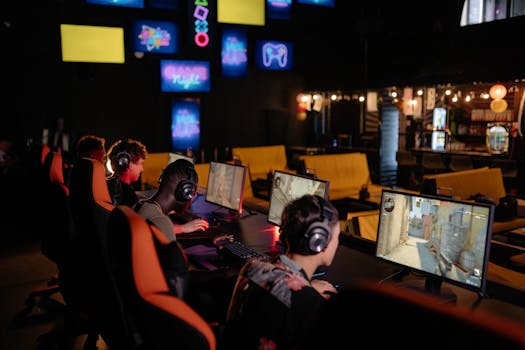
How Social Interaction Shapes Multiplayer Gaming
Whether you’re joining random teammates or building tight-knit squads, moments with real people change every match. These interactions can turn a simple session into unforgettable memories.
Multiplayer games thrive on the connections players create. Friendships, rivalries, and alliances form through teamwork, competition, or even trading tips. Social interaction keeps digital worlds alive and unpredictable.
Read on to discover how social interaction shapes multiplayer gaming. You’ll learn tangible strategies for collaboration, conflict resolution, and lasting involvement in your favorite online communities.
Building Cooperation Through Team Play Mechanisms
Understanding team-based rules lets you communicate better and win more matches. We’ll explore specific methods for building reliable in-game cooperation with social interaction as a core factor.
Forming alliances in multiplayer games mirrors real-life group projects. These digital bonds rely on direct communication, quick feedback, and the ability to adapt roles based on team needs and personalities.
Creating Role Balance in Teams
Assigning clear responsibilities helps squads function smoothly. For example, one player picks support, says “I’ll heal anyone who takes point,” while another blocks enemy attacks.
On voice chat, an upfront agreement like “I’ll cover the left flank, you take right” gets everyone focused. Quick consensus-building streamlines response time and limits confusion.
Role balance encourages mutual respect. When each member feels valued, they’re more likely to contribute ideas and resolve small disagreements during tense matches.
Reacting to Setbacks With Constructive Communication
When a plan fails, a calm response works best. “We lost this round—let’s try a split push next time,” models leadership and supports social interaction even under pressure.
Emphasizing learning over blame keeps teammates engaged. “Next round, I’ll watch for flanks, someone else can call positions,” turns mistakes into chances for group improvement.
Celebrating small wins, such as a well-timed revive, makes everyone feel seen. It builds trust and creates a welcoming environment for new and returning players.
| Team Play Mechanism | Social Benefit | Common Pitfall | Actionable Tip |
|---|---|---|---|
| Assigned Roles | Enhances group reliability | Players resist non-preferred roles | Rotate duties each round for fairness |
| Voice Communication | Boosts real-time collaboration | Toxic language increases conflicts | Use game filters and report abuse promptly |
| Shared Objectives | Unifies player focus | Objective neglect splits teams | Set clear mid-match goals |
| Penalty/Reward Systems | Motivates positive behavior | Unequal enforcement creates resentment | Vote for player of the match |
| Resource Sharing | Teach mutual support | Loot hoarding causes frustration | Announce drops before collecting |
Navigating Conflicts and Fostering Healthy Competition
Resolving interpersonal clashes improves every gaming session. Apply friendly dispute resolution and enjoy a healthier, more vibrant multiplayer community shaped by social interaction.
Competitive games spark intense emotions, but following a few ground rules can keep tempers in check and make sure friendly rivalry doesn’t veer into outright hostility.
Dispute Resolution and In-Game Etiquette
Respectful in-game chat keeps games enjoyable. Typing “gg” (good game) after a loss signals sportsmanship and encourages others to respond in kind in future matches.
If someone starts trash-talking, stay factual with replies like “let’s focus on strategy” instead of escalating. Taking the higher ground supports stronger social interaction.
- Respond to criticism with a calm tone: diffuse arguments and help rebuild trust in group chats or alliances so other players feel comfortable voicing opinions.
- Avoid personal insults after mistakes: create a supportive team environment by focusing on shared goals, using phrases like “let’s regroup and try again.”
- Request a break if emotions run high: stepping away for a few minutes lets you return with a fresh perspective, which is good for both cooperation and social interaction.
- Celebrate opponents’ good plays: call out “nice shot” or “well done” in real time to model friendly competition and build goodwill with rival teams.
- Support reporting systems: encourage community health by helping moderators flag unacceptable behavior and uplift positive contributors who enrich the game’s social fabric.
Regularly resetting your own expectations after losses prevents resentment and lets you approach every new game feeling refreshed and open to better social interaction moments.
Challenging Friends Without Damaging Relationships
Private matches with friends become memorable when everyone agrees on ground rules before playing. Say, “Best of three, winner picks the next game mode.”
If you win, offer compliments: “You kept me guessing, that was clever.” When you lose, graciously accept feedback and suggest runbacks to keep the tone positive and constructive.
- Rotate who hosts private games: distribute power, so no one dominates. This promotes equal participation and keeps group dynamics healthy.
- Share tips between rounds: suggest new strategies without forcing advice, creating a collaborative atmosphere even in competitive settings.
- Pause for team huddles: discuss what went well after each set, reinforcing effective communication and social interaction for future rounds.
- Rotate teams occasionally: mixing up sides keeps rivalries fresh and prevents negative cliques from forming in the group.
- Check in post-session: ask “Did everyone have fun?” This shows respect and builds lasting player relationships anchored in positive social experiences.
Combining competitive fire with honest reflection lets friendships endure, while still offering challenges that grow every player’s skill and encourage consistent social interaction.
Enabling Player Growth Through Structured Feedback Systems
Using built-in feedback tools elevates your play and deepens relationships. Structured systems relay vital info, so teams keep improving their social interaction with each match.
Direct peer evaluations create responsive, learning-focused teams. With these systems, every player has the chance to reflect on recent games and plan meaningful adjustments moving forward.
Peer Coaching and Player Reviews
Invite specific feedback: “What could I have done better in that last fight?” Clear queries generate useful responses and cultivate ongoing improvement among teammates.
Share honest, actionable advice: “Next time, try peeking slower from cover.” Keep it brief to avoid overwhelming newer players, ensuring everyone learns at their own pace.
Review sessions go further if you note a skill each member brings. “Your timing on heals saved the round,” acknowledges contributions and encourages further positive social interaction.
Learning From Match Analysis Tools
Many multiplayer games offer post-match breakdowns, such as kill/death charts or damage graphs. Reviewing this data as a group uncovers overlooked patterns and builds shared understanding.
Set a ritual—like “everyone picks one thing to improve next match.” These habits tie game stats directly back to personal and group social interaction growth.
Use analysis to recalibrate roles: if someone excels at defense, assign that task for the next game. This maximizes both performance and group harmony.
Conclusion: Renewing the Impact of Social Interaction in Gaming
Effective social interaction invites deeper, more rewarding play. Choosing empathy, thoughtful feedback, and constructive competition lets you reshape every multiplayer experience for the better.
Invest time in respectful communication and group reflection. These habits don’t just increase your win rate—they also create friendships and memories lasting well beyond the match.
Return to your favorite game tonight, try one new strategy from this guide, and see how authentic social interaction can transform every session from ordinary to exceptional.